
x
 Send Inquiry
 Send Inquiry

 Send Inquiry
Thiophenol
Price 1 INR/ Kilograms
MOQ : 1 Kilograms
Thiophenol Specification
- Usage
- Used as an intermediate in organic synthesis and as a reagent
- Shape
- Liquid form
- Physical Form
- Liquid
- Properties
- Highly flammable; strong unpleasant odor; forms toxic fumes when heated
- Melting Point
- -16 C
- EINECS No
- 203-635-3
- Molecular Weight
- 110.18 g/mol
- Appearance
- Clear, colorless to pale yellow liquid
- Product Type
- Chemical Compound
- Ph Level
- Not applicable (neutral compound)
- HS Code
- 29309020
- CAS No
- 108-98-5
- Molecular Formula
- C6H6S
- Structural Formula
- C6H5SH
- Storage
- Store in tightly closed containers, away from heat and sources of ignition
- Ingredients
- Thiophenol (Benzene Thiol)
- Application
- Pharmaceuticals, agrochemicals, dyestuffs, chemical synthesis
- Grade
- Industrial Grade
- Purity
- >=99%
- Poisonous
- YES
- Refractive Rate
- 1.5921.595
- Density
- 1.07 Gram per cubic centimeter(g/cm3)
- Solubility
- Insoluble in water; soluble in organic solvents
- Shelf Life
- 2 years under recommended storage
- Taste
- Not for human consumption
- Smell
- Strong, unpleasant, resembling rotten eggs
- Stability
- Stable under recommended storage conditions
- Hazard Statements
- H301 + H311 + H331: Toxic if swallowed, in contact with skin or if inhaled
- Flash Point
- 57 C (closed cup)
- UN Number
- UN 2333
- Packing Group
- II
- Boiling Point
- 169 C
- Autoignition Temperature
- 580 C
- Vapour Pressure
- 2 mmHg at 25 C
- Precautionary Statements
- Keep away from heat/sparks/open flames/hot surfaces. Wear protective gloves and eye/face protection.
Thiophenol Trade Information
- Minimum Order Quantity
- 1 Kilograms
- Supply Ability
- 25 Kilograms Per Week
- Delivery Time
- 3-4 Week
About Thiophenol
Thiophenol
| Thiophenol | |
|---|---|
| Analysis Item | Specification |
| Purity | 99.0% Min |
| Appearance | Colorless to Slightly Yellowish |
| Diphenyl Disulfide | 1.00% Max |
| Chlorobenzene | 1.00% Max |
Applications of Thiophenol
Thiophenol finds appliction in Pharmaceutical, Dyes & Agrochemical synthesis, It also finds application Veterinary Drugs.
Key Properties and Composition
Thiophenol exhibits a boiling point of 169 C, a flash point of 57 C, and is insoluble in water but highly soluble in organic solvents. Its strong odor and toxic nature require cautious handling. The chemicals molecular formula is C6H6S, with a molecular weight of 110.18 g/mol, making it suitable for various industrial applications.
Safe Handling and Storage
Always store thiophenol in tightly closed containers away from direct heat or ignition sources. Utilize appropriate protective gloves and eye/face protection when handling. Its physical and chemical stability ensures a shelf life of up to two years if storage recommendations are followed precisely.
Industrial Uses and Applications
Widely used as an intermediate in organic synthesis, thiophenol plays a crucial role in manufacturing pharmaceuticals, agrochemicals, and dyestuffs. Its efficacy as a reagent stems from its high purity (99%), making it a reliable choice for chemical syntheses across various industries in India and beyond.
FAQs of Thiophenol:
Q: How should thiophenol be safely handled and stored?
A: Thiophenol should be handled using protective gloves and eye/face protection due to its high toxicity and flammability. Store the liquid in tightly closed containers away from heat, sparks, open flames, or hot surfaces to maintain stability and safety.Q: What is thiophenol commonly used for in the industry?
A: Thiophenol is mainly used as an intermediate in organic synthesis for producing pharmaceuticals, agrochemicals, and dyestuffs. Its strong reactivity and purity make it valuable for a variety of chemical manufacturing processes.Q: When is it necessary to take extra precaution with thiophenol?
A: Extra precaution should be taken whenever handling, transferring, or storing thiophenol due to its poisonous, highly flammable nature and strong, unpleasant odor. Exposure to heat, open flames, or inadequate ventilation should also be strictly avoided.Q: Where does thiophenol find its main applications?
A: Thiophenol is primarily employed in laboratories and industrial environments in India and globally, particularly in the synthesis of complex chemical compounds for pharmaceuticals, dye, and crop protection products.Q: What processes is thiophenol involved in during chemical synthesis?
A: Thiophenol acts as a reagent or intermediate in numerous organic synthesis reactions, particularly for manufacturing sulfonated compounds, pharmaceuticals, and agricultural chemicals due to its reactive thiol group.Q: What benefits does thiophenol offer in manufacturing?
A: Thiophenols high purity and reactivity enable efficient synthesis of target molecules, reducing impurities and improving process yields, which is essential for consistent and high-quality manufacturing of end-use chemicals.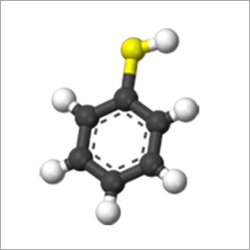
Tell us about your requirement

Price:
Quantity
Select Unit
- 50
- 100
- 200
- 250
- 500
- 1000+
Additional detail
Mobile number
Email

More Products in Speciality Chemical Category
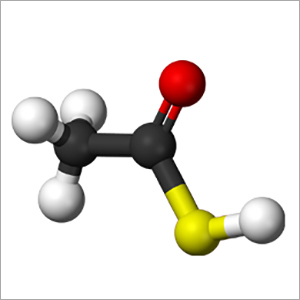
Thioacetic Acid (TAA)
Price 1 INR / Kilograms
Minimum Order Quantity : 1 Kilograms
Properties : Colorless to pale yellow liquid with a strong, pungent odor; decomposes on heating; corrosive; sensitive to air and moisture
Physical Form : Liquid
Shape : other, Liquid form
Usage : For laboratory and industrial synthesis; use as directed by SDS guidelines
Non Ionic Surfactants
Price 1 INR / Kilograms
Minimum Order Quantity : 1 Kilograms
Properties : Nonionic, low foaming, excellent emulsifier, stable in acidic and alkaline conditions
Physical Form : Liquid
Shape : other, Liquid form
Usage : Emulsifier, dispersing agent, wetting agent
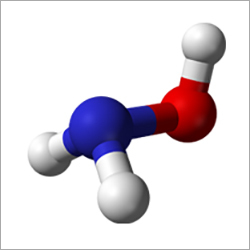
Hydroxylamine HCL
Price 1 INR / Kilograms
Minimum Order Quantity : 1 Kilograms
Properties : White crystalline, hygroscopic solid, soluble in water
Physical Form : Powder
Shape : other, Crystalline
Usage : Intermediate for synthesis, reducing agent, photographic developer
Iodine Crude
Minimum Order Quantity : 1 Kilograms
Properties : Purplishblack, lustrous, nonmetallic solid; sublimes to violet vapor, insoluble in water, soluble in organic solvents
Physical Form : Solid
Shape : other, Crystalline
Usage : Used as a reagent and disinfectant in various industries

SHILPA CHEMSPEC INTERNATIONAL PRIVATE LIMITED
GST : 27AAJCS5687F1ZU
GST : 27AAJCS5687F1ZU
Contact
- 316/317, Parekh Market, 3rd Floor 39, Jss Road, Near Kennedy Bridge, Opera House,Mumbai - 400004, Maharashtra, India
- Phone : 08045479650
- Mr. Divyesh (Director)
- Mobile : 08045479650
- Mr Mehul Sanghvi (Director-Business Development)
- Mobile : 08045479650
-
 Send Inquiry
 Send Inquiry
 Send SMS
 |
SHILPA CHEMSPEC INTERNATIONAL PRIVATE LIMITED
All Rights Reserved.(Terms of Use) Developed and Managed by Infocom Network Private Limited. |
