
x
 Send Inquiry
 Send Inquiry

 Send Inquiry
Methane Sulfonyl Chloride
Price 1 INR/ Kilograms
MOQ : 1 Kilograms
Methane Sulfonyl Chloride Specification
- Shelf Life
- 24 Months
- Molecular Formula
- CH3SO2Cl
- Purity
- 99%
- Solubility
- Reacts with water; soluble in organic solvents like chloroform, benzene
- Structural Formula
- CH3SO2Cl
- Appearance
- Clear to pale yellow
- Ph Level
- <1 (strongly acidic)
- Molecular Weight
- 114.55 g/mol
- HS Code
- 29049090
- Taste
- Pungent
- Properties
- Colorless to pale yellow liquid, highly reactive, lachrymatory compound, moisture sensitive
- EINECS No
- 204-708-2
- Usage
- Used for preparing sulfonamides, and as alkylating or chlorinating agent
- Ingredients
- Methane Sulfonyl Chloride
- Shape
- Liquid form
- Melting Point
- -32 C
- CAS No
- 124-63-0
- Poisonous
- YES
- Application
- Intermediate in organic synthesis, pharmaceuticals, agrochemicals, dyes
- Density
- 1.480 Gram per cubic centimeter(g/cm3)
- Product Type
- Chemical Compound
- Refractive Rate
- n20/D 1.441
- Smell
- Pungent, irritating odor
- Physical Form
- Liquid
- Grade
- Industrial Grade
- Storage
- Store in tightly closed container, cool, dry, well-ventilated area, away from moisture
- Packaging
- HDPE drum, 250 kg net; custom packaging on request
- Hazard Class
- 8 (Corrosive)
- Flash Point
- 73C
- Boiling Point
- 161C
- Incompatibility
- Avoid water, alcohols, strong bases, amines
- Vapor Pressure
- 0.9 mmHg (20C)
- Transport Information
- Transport as per ADR/RID, IMDG, IATA guidelines
- Handling Precautions
- Use PPE, avoid inhalation, eye and skin contact
- Stability
- Stable under recommended storage conditions
- UN Number
- 3246
Methane Sulfonyl Chloride Trade Information
- Minimum Order Quantity
- 1 Kilograms
- Supply Ability
- 25 Kilograms Per Week
- Delivery Time
- 3-4 Week
About Methane Sulfonyl Chloride
Methane Sulfonyl Chloride
| Analysis Item | Specification |
|---|---|
| Purity % | 99.5 Min% |
| Appearance | Clear Colourless Transparent Liquid |
| Color (APHA) | 50 Max |
| Water Content (ppm) | 200 Max |
| Heavy Metal (mg/kg) | 5 ppm Max |
| Fe 3+ (mg /kg) | 5 ppm Max |
| Density (18/4oC) | 1.480-1.482 |
| Chloride (mg/kg) | 20 ppm Max |
Applications of Methane Sulfonyl Chloride
- Methane Sulfonyl Chloride finds application in Pharmaceutical & Agrochemical synthesis.
- It also finds application and Dyes Manufacturing.
- The main use of Methanesulfonyl chloride is the formation of Methanesulfonates from alcohols in the presence of a non-nucleophilic base. Methanesulfonates are used as intermediates in substitution reactions, elimination reactions, reductions, and rearrangement reactions.
- When treated with a Lewis acid, oxime methanesulfonates will undergo a facile Beckmann rearrangement.
Applications and Benefits
Methane Sulfonyl Chloride plays a critical role in the chemical industry as an intermediate for pharmaceuticals, agrochemicals, and dyes. Its ability to act as a sulfonylating and chlorinating agent makes it indispensable in organic synthesis, enabling the preparation of sulfonamides and facilitating various laboratory-scale and industrial reactions. Its high purity ensures reliable and efficient performance in targeted chemical transformations.
Safe Storage and Handling
To maintain stability, Methane Sulfonyl Chloride should be stored in tightly closed containers made of HDPE in cool, dry, and well-ventilated spaces, and always away from moisture or incompatible materials like water, strong bases, or amines. Personal protective equipment (PPE) is essential when handling to prevent inhalation or contact with skin and eyes. Good safety practices and adherence to recommended guidelines ensure its safe use.
FAQs of Methane Sulfonyl Chloride:
Q: How should Methane Sulfonyl Chloride be safely stored and handled?
A: Store Methane Sulfonyl Chloride in tightly closed HDPE containers, placed in a cool, dry, well-ventilated area, away from moisture, water, alcohols, amines, and strong bases. Always wear appropriate personal protective equipment (PPE), including gloves and goggles, and avoid inhalation or direct contact with skin and eyes due to its corrosive and toxic nature.Q: What are the main industrial uses of Methane Sulfonyl Chloride?
A: Methane Sulfonyl Chloride is commonly used as an intermediate in organic synthesis for pharmaceuticals, agrochemicals, and dyes. It serves as a key reagent for preparing sulfonamides and is employed as an alkylating or chlorinating agent in a wide range of chemical and industrial processes.Q: When is the best time to use Methane Sulfonyl Chloride in chemical synthesis?
A: Use Methane Sulfonyl Chloride during the sulfonylation or chlorination steps in the synthesis of desired compounds when a high-purity, stable, and reactive sulfonylating agent is required. It is particularly useful in controlled environments where moisture exposure can be minimized.Q: Where can Methane Sulfonyl Chloride be transported or shipped?
A: Methane Sulfonyl Chloride can be shipped domestically or internationally according to ADR/RID, IMDG, and IATA guidelines for hazardous goods. Its packaging (usually in 250 kg HDPE drums) and labeling must comply with regulatory requirements due to its hazardous, corrosive classification (UN 3246).Q: What is the process for handling accidental exposure to Methane Sulfonyl Chloride?
A: In case of accidental exposure, immediately move the affected person to fresh air. For skin or eye contact, flush thoroughly with plenty of water and seek medical attention. Avoid ingesting the chemical, and ensure all spills are managed with proper containment and cleanup using appropriate PPE.Q: What benefits does Methane Sulfonyl Chloride provide in pharmaceutical manufacturing?
A: This compound enables efficient generation of sulfonamides, a crucial class of pharmaceuticals, by acting as a selective sulfonylating agent. Its high reactivity and purity contribute to more streamlined and effective synthesis pathways, supporting product quality and process efficiency.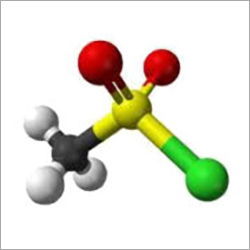
Tell us about your requirement

Price:
Quantity
Select Unit
- 50
- 100
- 200
- 250
- 500
- 1000+
Additional detail
Mobile number
Email

More Products in Speciality Chemical Category
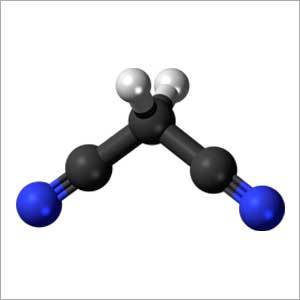
Malononitrile
Price 1 INR / Kilograms
Minimum Order Quantity : 1 Kilograms
Appearance : White to slightly yellow crystals
Melting Point : 3133C
Molecular Weight : 66.06 g/mol
Poisonous : YES
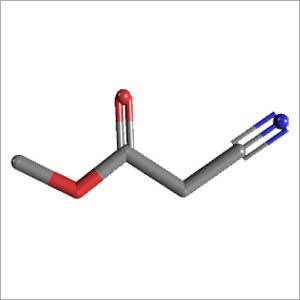
Methyl Cyanoacetate
Price 1 INR / Kilograms
Minimum Order Quantity : 1 Kilograms
Appearance : Colorless Liquid
Melting Point : 39C
Molecular Weight : 99.09 g/mol
Poisonous : YES
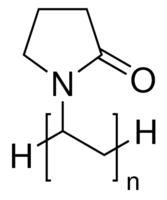
Polyvinylpyrrolidone K-30
Price 1 INR / Kilograms
Minimum Order Quantity : 1 Kilograms
Appearance : White or offwhite powder
Melting Point : 150C (decomposition)
Molecular Weight : 40,000 10,000
Poisonous : Other, Nonpoisonous
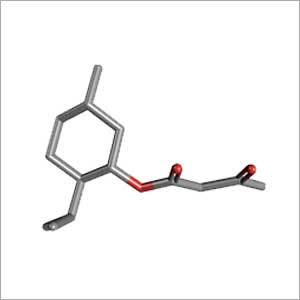
Methyl Aceto Acetate
Price 1 INR / Kilograms
Minimum Order Quantity : 1 Kilograms
Appearance : Clear colorless liquid
Melting Point : 78 C
Molecular Weight : 116.12 g/mol
Poisonous : Other, Nonpoisonous in standard handling

SHILPA CHEMSPEC INTERNATIONAL PRIVATE LIMITED
GST : 27AAJCS5687F1ZU
GST : 27AAJCS5687F1ZU
Contact
- 316/317, Parekh Market, 3rd Floor 39, Jss Road, Near Kennedy Bridge, Opera House,Mumbai - 400004, Maharashtra, India
- Phone : 08045479650
- Mr. Divyesh (Director)
- Mobile : 08045479650
- Mr Mehul Sanghvi (Director-Business Development)
- Mobile : 08045479650
-
 Send Inquiry
 Send Inquiry
 Send SMS
 |
SHILPA CHEMSPEC INTERNATIONAL PRIVATE LIMITED
All Rights Reserved.(Terms of Use) Developed and Managed by Infocom Network Private Limited. |
