
x
 Send Inquiry
 Send Inquiry

 Send Inquiry
N,N,Carbonyldiimidazole (CDI)
Price 1 INR/ Kilograms
MOQ : 1 Kilograms
N,N,Carbonyldiimidazole (CDI) Specification
- Storage
- Store in tightly sealed container, dry, cool, well-ventilated area; protect from moisture and light
- Smell
- Odorless or slight amine-like odor
- Purity
- 99%
- Poisonous
- Yes (handle with care, toxic on inhalation, ingestion, and skin contact)
- Melting Point
- 117122C
- Usage
- Used in organic synthesis, pharmaceuticals, peptide and ester formation
- Density
- 1.44 Gram per cubic centimeter(g/cm3)
- Shape
- Crystalline
- HS Code
- 2933.59.90
- CAS No
- 530-62-1
- Physical Form
- Powder
- Grade
- Industrial, Laboratory, Pharmaceutical
- Molecular Weight
- 162.15 g/mol
- Ph Level
- Not applicable (neutral)
- Taste
- Bitter
- Appearance
- White to off-white crystalline powder
- Molecular Formula
- C7H6N4O
- Structural Formula
- 
- Ingredients
- N,N-Carbonyldiimidazole
- Application
- Reagent for peptide and ester synthesis; coupling and condensing agent; pharmaceutical intermediate
- Shelf Life
- 2 years in unopened container under recommended storage conditions
- Solubility
- Soluble in acetone, DMF, DMSO; slightly soluble in water
- EINECS No
- 208-488-9
- Product Type
- Active Chemical Ingredients
- Properties
- White to off-white solid, moisture sensitive, stable under dry conditions, decomposes in presence of water or moisture
- Hazard Statements
- H315, H319, H335 - Causes skin and eye irritation; may cause respiratory irritation
- Lead Content
- <0.1 ppm (for pharmaceutical grade)
- Transport Information
- Not regulated as a dangerous good
- pKa
- Imidazole pKa 6.99; compound itself not acidic/basic
- EC Number
- 208-488-9
- Boiling Point
- Decomposes before boiling
- Packaging
- Available in 25 g, 100 g, 500 g, and 1 kg HDPE bottles or customized packaging
- Stability
- Stable under recommended storage conditions; degrades with moisture exposure
- Precautionary Statements
- P261, P280, P305+P351+P338
- Hazard Class
- Corrosive, irritant
N,N,Carbonyldiimidazole (CDI) Trade Information
- Minimum Order Quantity
- 1 Kilograms
- Supply Ability
- 25 Kilograms Per Week
- Delivery Time
- 3-4 Week
About N,N,Carbonyldiimidazole (CDI)
N,N,Carbonyldiimidazole (CDI)
| Analysis Item | Specification |
|---|---|
| Purity % | 98.0% Min |
| Appearance | White To Off white Crystalline Powder |
| Melting Point | 116.0 122.0oC |
Applications of N,N,Carbonyldiimidazole (CDI)
- N,N-Carbonyldiimidazole (CD1) is a zero length crosslinking reagent used to couple primary amines to carboxyllic acid functional groups. CDI reacts with the carboxylate ion (COO-) of proteins or other organic compounds, forming a reactive intermediate that is subsequently reacted with an amino group (-NH2).
- This reagent can be used to couple two proteins, and is commonly used in protein immobilization to a solid support or membrane. Conveniently, CDI can be used in both aqueous and organic solvent systems.
- N,N, Carbonyl diimidazole (CDI) is a useful alternative to highly toxic phosgene. CDI is similar to phosgene in its synthetic utility but is easier to handle since it exists as a solid. CDI is moisture sensitive and reacts readily with H2O to evolve CO2. CDI can be used for the activation of carboxylic acids. These activated carboxylic acids can be reacted with nucleophiles to make product that such as amides, esters, ureas, and carbamates. CDI reactions often dont require a base because the liberated imidazole anion acts a base.
High Efficiency in Synthesis
CDI displays exceptional performance as a coupling and condensing agent for peptide and ester formation. Its ability to react efficiently under anhydrous conditions makes it highly valuable in both laboratory and industrial settings. CDI facilitates a streamlined process with high purity yields, essential for pharmaceutical intermediates and organic chemistry applications.
Safe Handling and Packaging
Due to its corrosive, toxic, and irritant nature, CDI is packaged in robust, tightly sealed HDPE bottles that protect it from moisture and environmental exposure. Adhering to recommended handling instructions ensures user safety and maintains product stability. Custom packaging options accommodate varying scale and storage needs for diverse users.
Storage and Shelf Life Guidelines
Maintaining a dry, cool, and well-ventilated storage environment is vital for preserving CDIs quality. The compound remains stable for up to two years when stored in an unopened container, protected from moisture and light. These optimal storage conditions prevent degradation and maintain efficacy for demanding synthesis tasks.
FAQs of N,N,Carbonyldiimidazole (CDI):
Q: How should N,N-Carbonyldiimidazole (CDI) be stored to maintain its stability?
A: CDI should be stored in a tightly sealed container, in a dry, cool, and well-ventilated area. Exposure to moisture or humidity can cause the compound to degrade, so storing it away from water and light is essential for maintaining its stability and prolonging its shelf life.Q: What are the primary applications and benefits of using CDI in organic synthesis?
A: CDI is mainly used as a coupling and condensing agent in the synthesis of peptides and esters and as an intermediate in pharmaceutical manufacturing. Its primary benefit is enabling efficient and high-yielding reactions under anhydrous conditions, with high purity suitable for critical applications.Q: What personal protective equipment (PPE) is required when handling CDI?
A: Due to its corrosive and toxic properties, it is necessary to use gloves, safety goggles, lab coats, and, where needed, a respirator. All handling should take place in a well-ventilated environment or chemical fume hood to minimize the risk of skin, eye, and respiratory irritation.Q: When is CDI typically used during the synthesis process?
A: CDI is added during the coupling or activation step of peptide and ester synthesis. It acts as an efficient activating agent for carboxylic acids, which allows for subsequent reaction with nucleophiles to form amide or ester bonds, significantly streamlining complex organic syntheses.Q: Where can CDI be sourced, and in what packaging sizes is it available?
A: CDI is distributed and supplied across India by reputable manufacturers and traders. It is available in standard 25 g, 100 g, 500 g, and 1 kg HDPE bottles, with the option for customized packaging to suit specific research or industrial requirements.Q: What precautions must be taken during the transport and storage of CDI?
A: Though not regulated as a dangerous good for transport, CDI must be protected from moisture and physical damage during shipping and storage. Containers should remain tightly closed, and the compound must not be exposed to water or humid environments to prevent decomposition.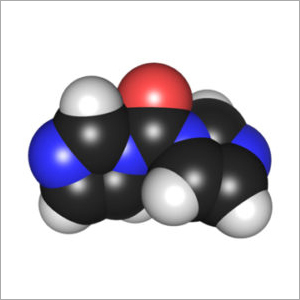
Tell us about your requirement

Price:
Quantity
Select Unit
- 50
- 100
- 200
- 250
- 500
- 1000+
Additional detail
Mobile number
Email

More Products in Speciality Chemical Category
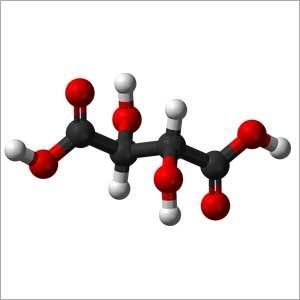
L(+) Tartaric Acid
Price 1 INR / Kilograms
Minimum Order Quantity : 1 Kilograms
Storage : Other, Keep tightly closed, in a cool & dry place
Smell : Other, Odorless
Purity : 99% Min
Poisonous : NO
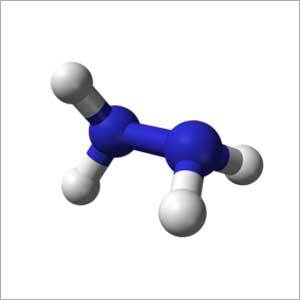
Hydrazine Hydrate
Price 1 INR / Kilograms
Minimum Order Quantity : 1 Kilograms
Storage : Other, Store tightly closed in a cool, dry, wellventilated area away from heat, sparks, and open flame
Smell : Other, Ammonialike, pungent odor
Purity : 80% Min
Poisonous : Other, Yes, toxic
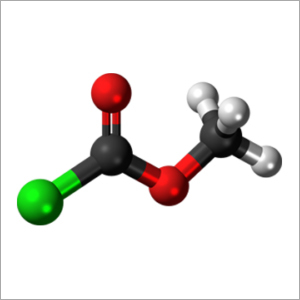
Methyl Chloroformate (MCF)
Price 1 INR / Kilograms
Minimum Order Quantity : 1 Kilograms
Storage : Other, Keep in tightly closed container, cool dry place, away from moisture and incompatibles
Smell : Other, Pungent, suffocating
Purity : 99%
Poisonous : YES
Hydroxylamine Hydrochloride
Price 1 INR / Kilograms
Minimum Order Quantity : 1 Kilograms
Storage : Other, Store in a cool, dry, wellventilated area, away from heat and incompatible substances
Smell : Other, Odorless or faint ammoniacal smell
Purity : 99% min
Poisonous : Other, Yes, toxic if ingested or inhaled

SHILPA CHEMSPEC INTERNATIONAL PRIVATE LIMITED
GST : 27AAJCS5687F1ZU
GST : 27AAJCS5687F1ZU
Contact
- 316/317, Parekh Market, 3rd Floor 39, Jss Road, Near Kennedy Bridge, Opera House,Mumbai - 400004, Maharashtra, India
- Phone : 08045479650
- Mr. Divyesh (Director)
- Mobile : 08045479650
- Mr Mehul Sanghvi (Director-Business Development)
- Mobile : 08045479650
-
 Send Inquiry
 Send Inquiry
 Send SMS
 |
SHILPA CHEMSPEC INTERNATIONAL PRIVATE LIMITED
All Rights Reserved.(Terms of Use) Developed and Managed by Infocom Network Private Limited. |
