
x
 Send Inquiry
 Send Inquiry

 Send Inquiry
Dimethyl Carbonate (DMC)
Price 1 INR/ Kilograms
MOQ : 1 Kilograms
Dimethyl Carbonate (DMC) Specification
- Usage
- Used as intermediate, solvent, and reagent
- HS Code
- 29209010
- Molecular Weight
- 90.08 g/mol
- Molecular Formula
- C3H6O3
- Product Type
- Chemical Compound
- Solubility
- Miscible with methanol, ethanol, and ether; slightly soluble in water
- Smell
- Faint Pleasant Odor
- Properties
- Clear, colorless, flammable, rapid evaporation, faint odor, nontoxic, volatile, environmentally friendly
- EINECS No
- 210-478-4
- Physical Form
- Liquid
- Application
- Pharmaceuticals, lithium-ion battery electrolyte, solvent, methylating and carbonylating agent
- Poisonous
- NO
- Refractive Rate
- 1.369
- Ingredients
- Dimethyl Carbonate
- Grade
- Industrial Grade
- Shelf Life
- 2 Years
- CAS No
- 616-38-6
- Shape
- Liquid
- Ph Level
- Neutral
- Storage
- Store in tightly closed container, cool and dry place
- Appearance
- Clear Colorless Liquid
- Purity
- 99% Min
- Structural Formula
- OC(OCH3)2
- Density
- 1.068 Gram per cubic centimeter(g/cm3)
- Melting Point
- 2 to 4 C
- Packing
- 200 kg Drum, ISO Tank
- Auto Ignition Temperature
- 458 C
- Boiling Point
- 90 C
- Hazard Class
- UN 1161, Class 3
- Transport
- Keep away from heat and sources of ignition
- Flash Point
- 18 C (closed cup)
- Environmental Impact
- Low toxicity, biodegradable
- Stability
- Stable under normal conditions
- Vapor Pressure
- 5.33 kPa at 20 C
- Viscosity
- 0.59 mPas (at 25 C)
Dimethyl Carbonate (DMC) Trade Information
- Minimum Order Quantity
- 1 Kilograms
- Supply Ability
- 25 Kilograms Per Week
- Delivery Time
- 3-4 Week
About Dimethyl Carbonate (DMC)
Dimethyl Carbonate (DMC)
| Item | Standard |
|---|---|
| Content % | 99.90min |
| Moistrue% | 0.02max |
| MeOH Content% | 0.02 |
| Density 20oC (g/cm3) | 1.071+0.005 |
| Alkalinity(HO) (mmol/100g) | 0.01 |
| Non-volatile matter | 0.01 |
Versatile Solvent and Chemical Intermediate
Dimethyl Carbonates high purity and favorable physical properties make it an effective solution across pharmaceutical, battery, and specialty chemical industries. Its rapid evaporation, neutral pH, and excellent solvency with alcohols and ethers enhance processing efficiency for a variety of chemical transformations.
Safe and Environmentally Friendly Chemical
DMC is favored for its nontoxic, biodegradable nature and low environmental impact. It offers practical benefits over traditional solvents, including safer handling and disposal. Stability under normal conditions and minimal toxicity support sustainable chemical manufacturing operations.
Packaging and Transport Guidelines
Dimethyl Carbonate is supplied in secure 200 kg drums and ISO tank containers for industrial use. To ensure safety, keep DMC containers tightly sealed and away from heat and ignition sources during storage and transit. The chemical is classified under UN 1161, Class 3, requiring compliance with flammable liquid transport regulations.
FAQs of Dimethyl Carbonate (DMC):
Q: How should Dimethyl Carbonate (DMC) be safely stored and transported?
A: DMC should be stored in tightly closed containers in a cool, dry place, away from heat and ignition sources. During transport, it must comply with Class 3 (flammable liquid) regulations, and proper labeling should be maintained. Use drums or ISO tanks recommended by suppliers for safe handling.Q: What are the primary industrial applications of Dimethyl Carbonate?
A: DMC is widely used as a solvent, intermediate, and reagent in the pharmaceutical industry, lithium-ion battery electrolytes, methylating and carbonylating agents, and in specialty chemicals. Its broad solvency makes it valuable in multiple industries requiring high purity and environmental compliance.Q: When is Dimethyl Carbonate preferred over other solvents in manufacturing processes?
A: DMC is selected for processes demanding rapid evaporation, low toxicity, and environmental friendliness. Its neutrality, miscibility with common solvents, and nontoxicity make it ideal for pharmaceutical synthesis, battery electrolyte formulations, and as a green replacement in chemical reactions.Q: Where can I source Dimethyl Carbonate in India?
A: You can acquire DMC from authorized distributors, importers, manufacturers, suppliers, or traders across India. Standard packing includes 200 kg drums or ISO tanks, suitable for industrial-scale requirements. Ensure your supplier conforms to CAS No. 616-38-6 and relevant safety standards.Q: What benefits does Dimethyl Carbonate offer for environmental safety and sustainability?
A: DMC is biodegradable and has low toxicity, posing minimal harm to the environment. Its use supports safer chemical manufacturing by reducing hazardous waste and lowering overall ecological impact, making it suitable for industries seeking sustainable solutions.Q: How is Dimethyl Carbonate used in lithium-ion batteries?
A: In lithium-ion batteries, DMC acts as an electrolyte solvent, enhancing ion transport and battery performance. Its volatility and miscibility with other solvents allow precise formulation, improving energy efficiency and battery lifespan.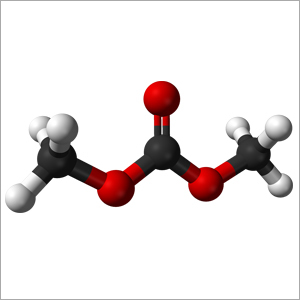
Tell us about your requirement

Price:
Quantity
Select Unit
- 50
- 100
- 200
- 250
- 500
- 1000+
Additional detail
Mobile number
Email

More Products in Speciality Chemical Category
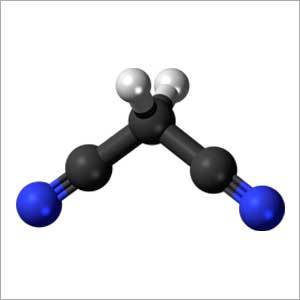
Malononitrile
Price 1 INR / Kilograms
Minimum Order Quantity : 1 Kilograms
Solubility : Soluble in water, ethanol, ether
Smell : Other, Faint, characteristic odor
Properties : Highly polar, Volatile, Hygroscopic, Nitrile odor
EINECS No : 2036826
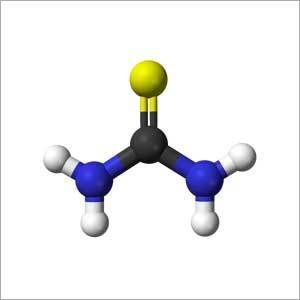
Thiourea
Price 1 INR / Kilograms
Minimum Order Quantity : 1 Kilograms
Solubility : Soluble in water, ethanol and acetone
Smell : Other, Odorless
Properties : White crystalline solid, odorless, soluble in water
EINECS No : 2005435
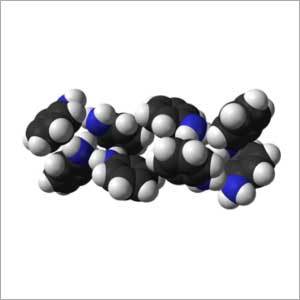
Aniline Oil
Price 1 INR / Kilograms
Minimum Order Quantity : 1
Solubility : Slightly soluble in water, soluble in alcohol, ether, and most organic solvents
Smell : Other, Fishy, aromatic odor
Properties : Colorless to slightly yellowish oily liquid, highly toxic, combustible, absorbs moisture and darkens on exposure to air and light.
EINECS No : 2005393
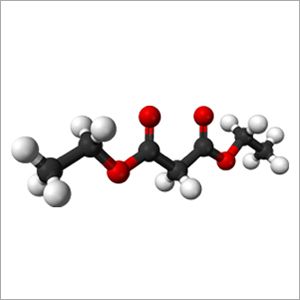
Diethyl Malonate (DEM)
Price 1 INR / Kilograms
Minimum Order Quantity : 1 Kilograms
Solubility : Slightly soluble in water; soluble in alcohol and ether
Smell : Other, Fruity odor
Properties : Colorless, clear liquid; fruity odor; miscible with most organic solvents; slightly soluble in water
EINECS No : 2033059

SHILPA CHEMSPEC INTERNATIONAL PRIVATE LIMITED
GST : 27AAJCS5687F1ZU
GST : 27AAJCS5687F1ZU
Contact
- 316/317, Parekh Market, 3rd Floor 39, Jss Road, Near Kennedy Bridge, Opera House,Mumbai - 400004, Maharashtra, India
- Phone : 08045479650
- Mr. Divyesh (Director)
- Mobile : 08045479650
- Mr Mehul Sanghvi (Director-Business Development)
- Mobile : 08045479650
-
 Send Inquiry
 Send Inquiry
 Send SMS
 |
SHILPA CHEMSPEC INTERNATIONAL PRIVATE LIMITED
All Rights Reserved.(Terms of Use) Developed and Managed by Infocom Network Private Limited. |
