
x
 Send Inquiry
 Send Inquiry

 Send Inquiry
Dicyclohexyl Carbodiimide (DCC)
Price 1 INR/ Kilograms
MOQ : 1 Kilograms
Dicyclohexyl Carbodiimide (DCC) Specification
- HS Code
- 2927 00 00
- Ingredients
- Dicyclohexyl Carbodiimide
- Shelf Life
- 24 months under recommended storage conditions
- CAS No
- 538-75-0
- Product Type
- Organic Intermediate
- Grade
- Technical, Laboratory Grade
- Appearance
- White to off-white crystalline powder
- Usage
- Coupling reagent in peptide synthesis, activation of carboxylic acids, intermediate in organic synthesis
- EINECS No
- 208-704-1
- Melting Point
- 34-35 C
- Application
- Physical Form
- Powder
- Solubility
- Soluble in organic solvents (e.g. dichloromethane, chloroform, tetrahydrofuran); insoluble in water
- Structural Formula
- N=C=N(C6H11)2
- Poisonous
- YES
- Molecular Weight
- 206.33 g/mol
- Shape
- Crystalline
- Storage
- Store in a cool, dry, well-ventilated area; keep container tightly closed; protect from moisture
- Smell
- Faint
- Properties
- White crystalline solid; insoluble in water; sensitive to moisture
- Molecular Formula
- C13H22N2
- Purity
- 99%
- Hazard Class
- Irritant, Harmful, Sensitizer
- Boiling Point
- 160-162 C at 5 mmHg
- Packaging
- HDPE drums, Fiber drums or customized
- Stability
- Stable under normal conditions; moisture-sensitive
- Transport Information
- Handle with care; protect from physical damage
- Flash Point
- >110 C
- Precautions
- Use appropriate personal protective equipment; avoid skin and eye contact
- UN Number
- UN 2927
Dicyclohexyl Carbodiimide (DCC) Trade Information
- Minimum Order Quantity
- 1 Kilograms
- Supply Ability
- 25 Kilograms Per Week
- Delivery Time
- 3-4 Week
About Dicyclohexyl Carbodiimide (DCC)
Dicyclohexyl Carbodiimide (DCC)
| Analysis Item | Standard | Result |
|---|---|---|
| Appearance | White crystalline solid or primrose transparent liquid | White crystalline solid/td> |
| Identification | conforms | conforms |
| Purity(GC) | 99% | 99.17% |
| Melting Point | 110 C | 33.3 o^C |
| Residue On Ignition | 0.1% | 0 |
| Acetone Solution | Nothing | Nothing |
| onclusion | Qualified |
|
Given the competition in the market, we offer a remarkable range of N, N, Dicyclohexylcarbodiimide at suitable rates in the market. While we fabricate this item using a supreme grade of components, and the latest technology, it is essentially used in amikacin, glutathione dehydrates as well as in the synthesis of acid anhydride, ketone, aldehyde, isocyanate, and much more. We package the product using the premium resources and deliver on time to esteemed clients. We are based in Mumbai, Maharashtra, India.
N, N, Dicyclohexylcarbodiimide (DCC) Details :
- N, N, Dicyclohexylcarbodiimide (DCC) is Dehydration condensing agent for the synthesis of pharmaceutical, such as Amikacin,etc. This product is mainly used in amikacin, glutathione dehydrates,as well as in synthes is of acid anhydride, aldehyde, ketone, isocyanate; when it is used as dehtdrating condensing agent, it reacts to dicyclohexylyrea through short-time reaction under normal
- This product can also be used in synthesis of peptide and nucleic acid. It is easy to use this product to react with compound of free carboxyl and amino-group into peptide.
Versatile Applications in Organic Synthesis
Dicyclohexyl Carbodiimide is favored in both technical and laboratory-grade applications for its efficiency as a dehydrating agent in peptide synthesis and organic reactions. Its ability to activate carboxylic acids makes it invaluable for forming amide and ester bonds. DCC directly impacts the success of intricate reactions, streamlining research and development in chemical synthesis.
Safe Handling & Storage
DCC should be handled with care, using appropriate personal protective equipment, such as gloves and goggles, to avoid contact with skin and eyes. As a moisture-sensitive compound, it is essential to keep containers tightly sealed and stored in a well-ventilated, cool, and dry location. Adhering to these guidelines maintains product integrity and ensures user safety.
FAQs of Dicyclohexyl Carbodiimide (DCC):
Q: How should Dicyclohexyl Carbodiimide (DCC) be properly stored?
A: DCC should be stored in its original, tightly closed container, kept in a cool, dry, and well-ventilated space. It is vital to protect the substance from moisture, direct sunlight, and sources of heat to prevent degradation and extend its 24-month shelf life.Q: What are the recommended safety precautions when handling DCC?
A: Use appropriate personal protective equipment including gloves, safety glasses, and protective clothing. Avoid skin or eye contact, and ensure proper ventilation during use. Since DCC is irritating, harmful, and a sensitizer, immediate washing with water is advised if contact occurs.Q: When is DCC typically used in organic reactions or synthesis?
A: DCC is most commonly applied as a coupling reagent in peptide synthesis and the activation of carboxylic acids. It is used whenever dehydration is required in organic synthesis for forming amide and ester bonds, particularly in preparative and laboratory settings.Q: Where can DCC be sourced and what packaging options are available?
A: DCC is available from distributors, importers, manufacturers, suppliers, and traders in India. It is supplied in HDPE drums, fiber drums, or as per customized packaging requirements to suit shipping and storage needs.Q: What is the primary benefit of using DCC in peptide synthesis?
A: DCCs primary benefit is its effectiveness in facilitating the formation of peptide bonds by promoting the dehydration and activation of carboxylic acids. This increases the efficiency and yield of peptide and other compound syntheses.Q: How is the solubility profile of DCC advantageous for laboratory processes?
A: DCCs insolubility in water and high solubility in organic solvents like dichloromethane or tetrahydrofuran allows for selective reactivity and easy separation in organic synthesis, making it especially useful in laboratory and industrial applications.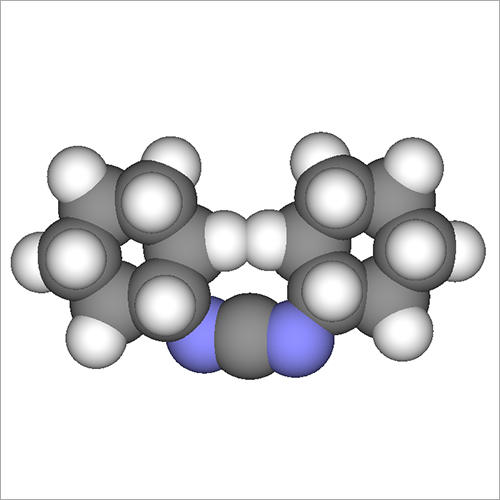
Tell us about your requirement

Price:
Quantity
Select Unit
- 50
- 100
- 200
- 250
- 500
- 1000+
Additional detail
Mobile number
Email

More Products in Speciality Chemical Category
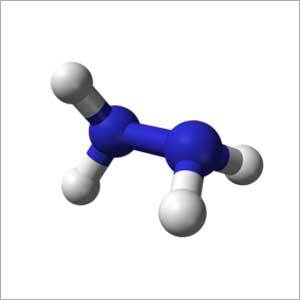
Hydrazine Hydrate
Price 1 INR / Kilograms
Minimum Order Quantity : 1 Kilograms
Purity : 80% Min
Smell : Other, Ammonialike, pungent odor
Properties : Highly reactive base, strong reducing agent, volatile, colorless, watersoluble
Molecular Formula : N2H4H2O
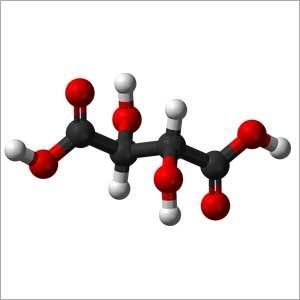
L(+) Tartaric Acid
Price 1 INR / Kilograms
Minimum Order Quantity : 1 Kilograms
Purity : 99% Min
Smell : Other, Odorless
Properties : Optically active (L+), water soluble, crystalline, acidic
Molecular Formula : C4H6O6
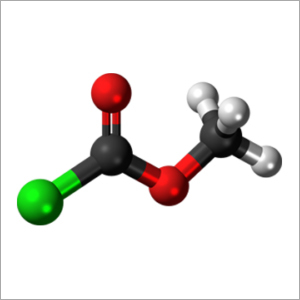
Methyl Chloroformate (MCF)
Price 1 INR / Kilograms
Minimum Order Quantity : 1 Kilograms
Purity : 99%
Smell : Other, Pungent, suffocating
Properties : Colorless, highly volatile, lachrymator, reactive with water and alcohols, produces toxic fumes on decomposition
Molecular Formula : C2H3ClO2
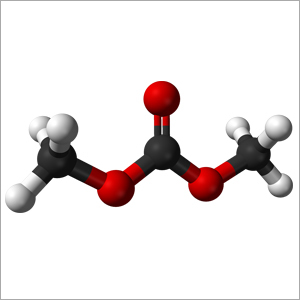
Dimethyl Carbonate (DMC)
Price 1 INR / Kilograms
Minimum Order Quantity : 1 Kilograms
Purity : 99% Min
Smell : Other, Faint Pleasant Odor
Properties : Clear, colorless, flammable, rapid evaporation, faint odor, nontoxic, volatile, environmentally friendly
Molecular Formula : C3H6O3

SHILPA CHEMSPEC INTERNATIONAL PRIVATE LIMITED
GST : 27AAJCS5687F1ZU
GST : 27AAJCS5687F1ZU
Contact
- 316/317, Parekh Market, 3rd Floor 39, Jss Road, Near Kennedy Bridge, Opera House,Mumbai - 400004, Maharashtra, India
- Phone : 08045479650
- Mr. Divyesh (Director)
- Mobile : 08045479650
- Mr Mehul Sanghvi (Director-Business Development)
- Mobile : 08045479650
-
 Send Inquiry
 Send Inquiry
 Send SMS
 |
SHILPA CHEMSPEC INTERNATIONAL PRIVATE LIMITED
All Rights Reserved.(Terms of Use) Developed and Managed by Infocom Network Private Limited. |
