
x
 Send Inquiry
 Send Inquiry

 Send Inquiry
Diethyl Malonate (DEM)
Price 1 INR/ Kilograms
MOQ : 1 Kilograms
Diethyl Malonate (DEM) Specification
- Shelf Life
- 24 months in recommended storage conditions
- Ingredients
- Diethyl Malonate
- Appearance
- Transparent liquid
- Melting Point
- -51 C
- Physical Form
- Liquid
- Density
- 1.041 Gram per cubic centimeter(g/cm3)
- Solubility
- Slightly soluble in water; soluble in alcohol and ether
- Storage
- Keep in tightly closed containers, store in cool, dry, well-ventilated area away from incompatible materials
- Properties
- Colorless, clear liquid; fruity odor; miscible with most organic solvents; slightly soluble in water
- Refractive Rate
- n20/D 1.415
- Application
- Pharmaceutical intermediates, organic synthesis, agrochemicals
- Smell
- Fruity odor
- Ph Level
- Neutral
- Molecular Weight
- 160.17 g/mol
- Grade
- Tech / Pharma / AR Grade
- CAS No
- 105-53-3
- Product Type
- Organic Chemical
- Usage
- Used in the manufacture of barbiturates, vitamin B1, perfumes, and agricultural chemicals
- Purity
- 99%
- Poisonous
- Non-poisonous
- Taste
- Characteristic, fruity
- EINECS No
- 203-305-9
- Structural Formula
- CH2(COOC2H5)2
- HS Code
- 29171990
- Molecular Formula
- C7H12O4
- Vapor Pressure
- 0.27 mmHg at 25 C
- Stability
- Stable under recommended storage conditions
- Flash Point
- 88 C (closed cup)
- Hazard Class
- Non-hazardous for transport
- Boiling Point
- 199-200 C
- Autoignition Temperature
- 380 C
- EC No
- 203-305-9
- Viscosity
- 1.33 mPas at 25 C
- Packaging
- HDPE drums, Glass bottles, Bulk containers available
Diethyl Malonate (DEM) Trade Information
- Minimum Order Quantity
- 1 Kilograms
- Supply Ability
- 25 Kilograms Per Week
- Delivery Time
- 3-4 Week
About Diethyl Malonate (DEM)
Diethyl Malonate (DEM)
| Commodity Name | Diethyl malonate | |
|---|---|---|
| Testing item | Unit | Specification |
| appearance |
| Colorless transparent liquid |
| Chromaticity | Hazen | 20max |
| Purity(By G.C) | % | 99.60min |
| Water | % | 0.050max |
| Acidity | % | 0.010max |
| Result |
|
|
Applications of Diethyl Malonate (DEM)
Diethyl malonate, also known as DEM, is the diethyl ester of malonic acid. It is used in perfumes & Pharmaceuticals & Vitamins manufacturing.
Key Physical and Chemical Properties
Diethyl Malonate features a neutral pH, high purity, and a transparent appearance. The compound boasts a molecular weight of 160.17 g/mol and a density of 1.041 g/cm. It displays low vapor pressure and moderate viscosity at room temperature. Its autoignition temperature of 380C enhances handling safety, while its refractive rate of n20/D 1.415 supports analytical applications. Slight water solubility and full miscibility with alcohol and ether enables versatile application across industries.
Versatile Applications in Industry
Used extensively in pharmaceuticals for the production of intermediates, Diethyl Malonate is crucial in the synthesis of barbiturates, vitamin B1, agrochemicals, and fragrance compounds. Its chemical stability ensures reliability in processes requiring precise reactants. Manufacturers, suppliers, and distributors in India offer DEM in various grades and convenient packaging, making it accessible for different usage scales and purity requirements.
Safe Handling and Storage Guidelines
Diethyl Malonate remains stable when stored in tightly closed containers, in cool, dry, well-ventilated spaces away from incompatible materials. It is non-hazardous for transport and non-poisonous, minimizing risks during handling and logistics. Recommended storage ensures optimal shelf life up to 24 months, preserving its chemical integrity for industrial and laboratory use.
FAQs of Diethyl Malonate (DEM):
Q: How should Diethyl Malonate be stored to maintain its stability and shelf life?
A: DEM should be kept in tightly closed containers and stored in cool, dry, well-ventilated areas away from incompatible materials. Proper storage ensures its stability and a shelf life of up to 24 months.Q: What are the main uses and benefits of Diethyl Malonate in industrial applications?
A: Diethyl Malonate is primarily used in the production of pharmaceutical intermediates, barbiturates, vitamin B1, perfumes, and agrochemicals. Its high purity, stability, and compatibility with organic solvents make it valuable for precise synthesis and formulation.Q: Where can Diethyl Malonate be sourced and in what packaging forms?
A: DEM is available through distributors, importers, manufacturers, and suppliers in India. Packaging options include HDPE drums, glass bottles, and bulk containers, catering to different batch sizes and storage preferences.Q: What is the process for handling Diethyl Malonate safely during transport and use?
A: Due to its non-hazardous classification for transport, DEM can be handled without special precautions. However, general chemical safety measuressuch as proper labeling, using sealed containers, and avoiding exposure to incompatible substancesare advised.Q: When is Diethyl Malonate preferred in reaction processes?
A: DEM is favored when high purity and chemical stability are critical, such as in the synthesis of pharmaceuticals and fine chemicals. Its reactivity and miscibility with organic solvents enhance its effectiveness in controlled reactions.Q: What is the recommended method for utilizing Diethyl Malonate in organic synthesis?
A: For organic synthesis, DEM is typically introduced as an intermediate reactant. Its miscibility with most organic solvents allows for straightforward integration into reaction mixtures, facilitating manufacture of complex compounds like barbiturates and vitamins.Q: What are the advantages of choosing Diethyl Malonate for manufacturing applications?
A: Diethyl Malonate offers consistent chemical stability, high purity (99%), non-poisonous properties, and logistic convenience. These factors collectively reduce risk and improve product yield in pharmaceutical, perfume, and agrochemical production.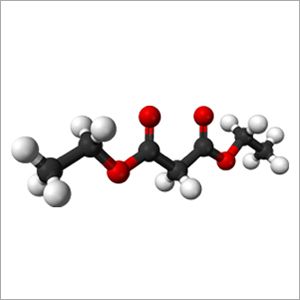
Tell us about your requirement

Price:
Quantity
Select Unit
- 50
- 100
- 200
- 250
- 500
- 1000+
Additional detail
Mobile number
Email

More Products in Speciality Chemical Category
Acetonitrile
Price 1 INR / Kilograms
Minimum Order Quantity : 1 Kilograms
Density : 0.782 Gram per cubic centimeter(g/cm3)
Physical Form : Liquid
Shelf Life : 24 months or more, if stored properly
Ingredients : Acetonitrile (CH3CN)
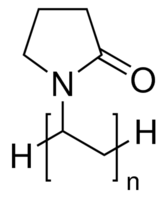
Polyvinylpyrrolidone k-90 (20% Solution)
Price 1 INR / Kilograms
Minimum Order Quantity : 1 Kilograms
Density : 1.13 Gram per cubic centimeter(g/cm3)
Physical Form : Liquid
Shelf Life : 24 months in original sealed containers
Ingredients : Polyvinylpyrrolidone (K90) 20% in purified water
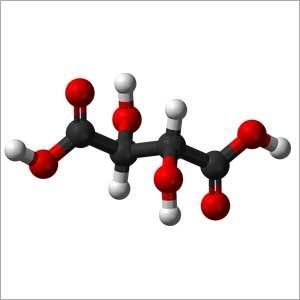
L(+) Tartaric Acid
Price 1 INR / Kilograms
Minimum Order Quantity : 1 Kilograms
Density : 1.76 Gram per cubic centimeter(g/cm3)
Physical Form : Powder
Shelf Life : 36 months
Ingredients : L(+) Tartaric Acid
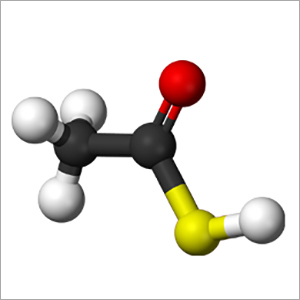
Thioacetic Acid (TAA)
Price 1 INR / Kilograms
Minimum Order Quantity : 1 Kilograms
Density : 1.07 Gram per cubic centimeter(g/cm3)
Physical Form : Liquid
Shelf Life : 12 months (under proper storage conditions)
Ingredients : Thioacetic Acid (CH3COSH)

SHILPA CHEMSPEC INTERNATIONAL PRIVATE LIMITED
GST : 27AAJCS5687F1ZU
GST : 27AAJCS5687F1ZU
Contact
- 316/317, Parekh Market, 3rd Floor 39, Jss Road, Near Kennedy Bridge, Opera House,Mumbai - 400004, Maharashtra, India
- Phone : 08045479650
- Mr. Divyesh (Director)
- Mobile : 08045479650
- Mr Mehul Sanghvi (Director-Business Development)
- Mobile : 08045479650
-
 Send Inquiry
 Send Inquiry
 Send SMS
 |
SHILPA CHEMSPEC INTERNATIONAL PRIVATE LIMITED
All Rights Reserved.(Terms of Use) Developed and Managed by Infocom Network Private Limited. |
