
x
 Send Inquiry
 Send Inquiry

 Send Inquiry
Methyl Chloroformate (MCF)
Price 1 INR/ Kilograms
MOQ : 1 Kilograms
Methyl Chloroformate (MCF) Specification
- Smell
- Pungent, suffocating
- Refractive Rate
- 1.406-1.408
- EINECS No
- 201-185-2
- Application
- Intermediate in organic synthesis, agrochemicals, pharmaceuticals, dyes
- Poisonous
- YES
- Properties
- Colorless, highly volatile, lachrymator, reactive with water and alcohols, produces toxic fumes on decomposition
- CAS No
- 79-22-1
- Solubility
- Decomposes in water, soluble in chloroform, ether, benzene
- Melting Point
- -97C
- Storage
- Keep in tightly closed container, cool dry place, away from moisture and incompatibles
- Usage
- Used for methylation and as carbonylation reagent
- Appearance
- Clear colorless liquid
- Purity
- 99%
- Shelf Life
- 12 months (under recommended storage conditions)
- Molecular Formula
- C2H3ClO2
- Density
- 1.204 Gram per cubic centimeter(g/cm3)
- Grade
- Industrial Grade
- Structural Formula
- ClCOOCH3
- HS Code
- 29209090
- Product Type
- Industrial Chemical
- Ingredients
- Methyl Chloroformate
- Shape
- Liquid
- Physical Form
- Liquid
- Taste
- Not determined (toxic)
- Molecular Weight
- 94.5 g/mol
- Flash Point
- -6C (closed cup)
- Incompatibility
- Water, alcohols, strong bases, strong oxidizers
- UN Number
- UN 1231
- Autoignition Temperature
- 430C
- Vapor Pressure
- 59 mmHg at 20C
- Boiling Point
- 70-72C
- Transport Information
- Marine pollutant, regulated for transport
- First Aid Measures
- Move affected person to fresh air, rinse thoroughly with water, seek immediate medical attention
- Packing Group
- I
- Hazard Class
- 6.1 (Toxic substances)
- Stability
- Sensitive to moisture, stable under dry inert atmosphere
- Hazard Statement
- Toxic by inhalation, ingested or in contact with skin, causes severe burns, may cause respiratory irritation
Methyl Chloroformate (MCF) Trade Information
- Minimum Order Quantity
- 1 Kilograms
- Supply Ability
- 25 Kilograms Per Week
- Delivery Time
- 3-4 Week
About Methyl Chloroformate (MCF)
Methyl Chloroformate (MCF)
| Analysis Item | Standard | Result |
|---|---|---|
| Content | 99% | 99.50% |
| Carbpnate | 100% | 0.83% |
| Free Cl2 | 0.20% | 0.15% |
| Ethanol | 0.50% | 0.12% |
| Phosgene | 0.10% | 0.05% |
| Appearance | Colorless To Light Yellow Transparent Liquid | Colorless To Light Yellow Transparent Liquid |
| Color(hazen) | 50 Max | 30 |
| Conclusion | Conform | Conform |
Chemical Properties and Stability
Methyl Chloroformate is a clear, colorless liquid with a boiling point of 70-72C and a melting point of -97C. It is highly volatile, with a flash point of -6C and an autoignition temperature of 430C. The compound is stable only under dry, inert atmospheres, and it decomposes in water. Its pungent odor signals both its volatility and toxic, lachrymatory properties.
Safe Handling and Storage Guidelines
Due to its toxicity and reactivity, Methyl Chloroformate must be handled in well-ventilated areas using proper protective equipment. Store it in tightly closed containers, away from moisture, water, alcohols, strong bases, and oxidizers. Maintain a cool, dry environment to avoid hazardous decomposition. Adherence to recommended storage extends its shelf life up to 12 months.
Applications and Benefits
MCF is chiefly used as a methylation and carbonylation reagent, serving diverse industrial sectors such as pharmaceuticals, agrochemicals, and dyes. Its high purity and stability under controlled conditions enable effective synthesis of organic intermediates, offering utility as a critical building block in fine chemical manufacturing.
FAQs of Methyl Chloroformate (MCF):
Q: How should Methyl Chloroformate be stored to ensure maximum stability and shelf life?
A: MCF must be stored in a tightly sealed container in a cool, dry place, away from any moisture, water, or incompatible substances such as alcohols and oxidizers. A dry, inert atmosphere will maintain its stability and preserve its quality for up to 12 months.Q: What are the primary industrial uses of Methyl Chloroformate?
A: Methyl Chloroformate is primarily used as an intermediate in organic synthesis, especially in the production of agrochemicals, pharmaceuticals, and dyes. Its role as a methylating and carbonylation agent makes it valuable for manufacturing complex chemical compounds.Q: When handling Methyl Chloroformate, what safety precautions are necessary?
A: Operators must use personal protective equipment like gloves, goggles, and protective clothing due to its toxic and corrosive nature. Work should be conducted in a fume hood or well-ventilated area, and emergency procedures should be in place, including immediate rinsing with water and medical attention in case of exposure.Q: Where should Methyl Chloroformate not be used or stored?
A: MCF must not be stored or used near sources of moisture, open flames, or reactive chemicals such as water, alcohols, strong bases, or oxidizers. These conditions could cause dangerous decomposition and release of toxic fumes.Q: What is the process for responding to accidental exposure to Methyl Chloroformate?
A: If exposure occurs, immediately move the affected individual to fresh air. For skin or eye contact, rinse thoroughly with water for at least 15 minutes, and seek prompt medical attention regardless of the degree of exposure.Q: How does Methyl Chloroformate benefit chemical synthesis processes?
A: Its high reactivity as a methylating and carbonylation reagent allows for the efficient introduction of methyl and carbonyl groups into molecular structures, facilitating the synthesis of valuable organic intermediates used in multiple industries.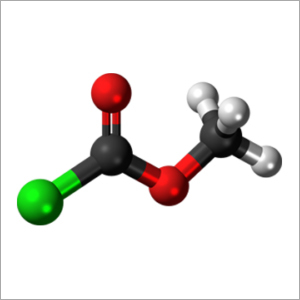
Tell us about your requirement

Price:
Quantity
Select Unit
- 50
- 100
- 200
- 250
- 500
- 1000+
Additional detail
Mobile number
Email

More Products in Speciality Chemical Category
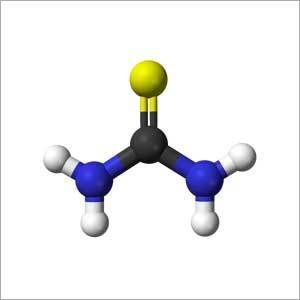
Thiourea
Price 1 INR / Kilograms
Minimum Order Quantity : 1 Kilograms
Shape : other, Crystalline
Physical Form : Powder
Molecular Weight : 76.12 g/mol
HS Code : 29309090
Hydroxylamine Hydrochloride
Price 1 INR / Kilograms
Minimum Order Quantity : 1 Kilograms
Shape : other, Crystalline / Granular
Physical Form : Powder
Molecular Weight : 69.49 g/mol
HS Code : 28269000
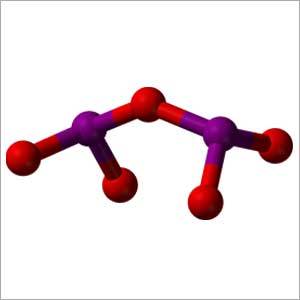
Iodine Crude
Minimum Order Quantity : 1 Kilograms
Shape : other, Crystalline
Physical Form : Solid
Molecular Weight : 253.81 g/mol
HS Code : 28012000
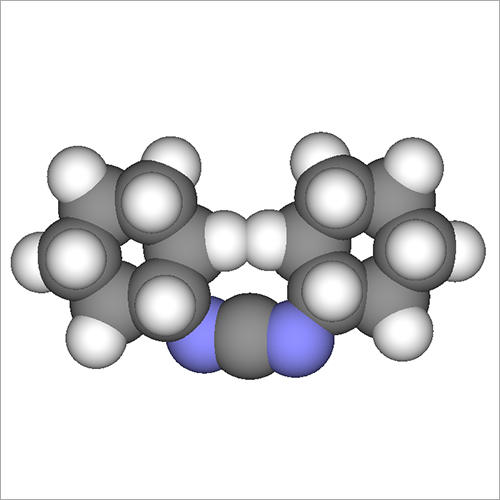
Dicyclohexyl Carbodiimide (DCC)
Price 1 INR / Kilograms
Minimum Order Quantity : 1 Kilograms
Shape : other, Crystalline
Physical Form : Powder
Molecular Weight : 206.33 g/mol
HS Code : 2927 00 00

SHILPA CHEMSPEC INTERNATIONAL PRIVATE LIMITED
GST : 27AAJCS5687F1ZU
GST : 27AAJCS5687F1ZU
Contact
- 316/317, Parekh Market, 3rd Floor 39, Jss Road, Near Kennedy Bridge, Opera House,Mumbai - 400004, Maharashtra, India
- Phone : 08045479650
- Mr. Divyesh (Director)
- Mobile : 08045479650
- Mr Mehul Sanghvi (Director-Business Development)
- Mobile : 08045479650
-
 Send Inquiry
 Send Inquiry
 Send SMS
 |
SHILPA CHEMSPEC INTERNATIONAL PRIVATE LIMITED
All Rights Reserved.(Terms of Use) Developed and Managed by Infocom Network Private Limited. |
