
x
 Send Inquiry
 Send Inquiry

 Send Inquiry
Malonic Acid
Price 1 INR/ Kilograms
MOQ : 1 Kilograms
Malonic Acid Specification
- Appearance
- White powder or crystalline
- Density
- 1.60 Gram per cubic centimeter(g/cm3)
- EINECS No
- 205-503-0
- Purity
- 99% Min.
- Physical Form
- Powder
- Grade
- Industrial Grade, Laboratory Grade
- Solubility
- Soluble in water, alcohol, ether, acetone
- Properties
- White crystalline solid, dicarboxylic acid, non-flammable, moderate toxicity, stable under normal conditions
- Poisonous
- Moderately toxic if ingested
- Structural Formula
- HOOC-CH2-COOH
- Shelf Life
- 24 months (under recommended storage)
- Application
- Used in organic synthesis, pharmaceuticals, agrochemicals, flavors and fragrances, research
- Product Type
- Organic Acid
- Storage
- Store in cool, dry place, keep container tightly closed
- Ingredients
- Malonic Acid (Propanedioic Acid)
- Molecular Weight
- 104.06 g/mol
- Melting Point
- 135-137C
- Usage
- Intermediate in synthesis of barbiturates, vitamins, pharmaceuticals; laboratory reagent
- Smell
- Odorless
- HS Code
- 29171990
- Molecular Formula
- C3H4O4
- Shape
- Crystalline/Granular
- Ph Level
- 1.5 (0.1M solution)
- CAS No
- 141-82-2
- Taste
- Sour
- UN Number
- UN 3261
- Vapor Pressure
- Negligible at 20C
- Compatibility
- Avoid bases, oxidizers, reducing agents
- Flash Point
- Non-flammable
- Transport Hazard Class
- 8 (Corrosive)
- InChI Key
- NKAJQJOMYWMBOU-UHFFFAOYSA-N
- Autoignition Temperature
- Not flammable
- Handling Precautions
- Wear personal protective equipment; avoid inhalation, ingestion and skin contact
- pKa value
- 2.83, 5.69
- Hazard Statements
- H302 (harmful if swallowed), H319 (causes serious eye irritation)
- Boiling Point
- Not applicable (decomposes before boiling)
- Packing Group
- III
Malonic Acid Trade Information
- Minimum Order Quantity
- 1 Kilograms
- Supply Ability
- 25 Kilograms Per Week
- Delivery Time
- 3-4 Week
About Malonic Acid
Malonic Acid
| Analysis Item | Specification |
|---|---|
| Purity | 99% Min |
| Loss on Drying | 0.5% Max |
| Chloride(C1) | 0.02% Max |
| Sulfate(SO4) | 0.10% Max |
| Ignition Residue | 0.1% Max |
| Melting PointoC | 131.5 137.0 |
| Appearance | White Crystal Powder |
Applications of Malonic Acid
It is used in a number of manufacturing processes as a high value specialty chemical including the electronics industry, flavors and fragrances industry, specialty solvents, polymer crosslinking, and pharmaceutical industry. In 2004, annual global production of malonic acid and related diesters was over 20,000 metric tons.[15] Potential growth of these markets could result from advances in industrial biotechnology that seeks to displace petroleum-based chemicals in industrial applications.
Versatile Applications in Industry and Research
Malonic Acid is employed as an intermediate in the synthesis of pharmaceuticals, vitamins, barbiturates, and a variety of agrochemical products. Researchers value its reactivity in creating flavors, fragrances, and innovative organic compounds. The compounds stability and solubility in common solvents enhance its practical utility across laboratories and manufacturing units alike.
Safe Handling and Storage Guidelines
This substance is moderately harmful if ingested and can cause serious eye irritation. Always wear personal protective gear and avoid contact through inhalation, ingestion, or skin exposure. Store Malonic Acid in a tightly sealed container, placed in a cool, dry environment to maintain a shelf life of up to 24 months. Proper handling ensures safety and preserves chemical quality.
FAQs of Malonic Acid:
Q: How should Malonic Acid be handled safely in the laboratory or workplace?
A: Always wear suitable personal protective equipment such as gloves and safety goggles, and ensure proper ventilation. Avoid inhaling dust, ingestion, or direct contact with skin and eyes, as Malonic Acid is moderately toxic if swallowed and can cause serious eye irritation.Q: What are the primary uses and benefits of Malonic Acid in various industries?
A: Malonic Acid is vital as an intermediate in synthesizing pharmaceuticals, barbiturates, vitamins, agrochemicals, and research compounds. Its reactivity and solubility make it valuable for creating a wide array of products, contributing to advancements in organic synthesis and chemical manufacturing.Q: When and where should Malonic Acid be stored to maintain its stability and effectiveness?
A: Store Malonic Acid in a tightly closed container in a cool, dry place away from bases, oxidizers, and reducing agents. Under recommended storage conditions, it remains stable and retains its quality for up to 24 months.Q: What processes involve the use of Malonic Acid in organic synthesis applications?
A: Malonic Acid is commonly used for malonic ester synthesis, in the creation of substituted acetic acids, and as a precursor for pharmaceuticals. It also serves in laboratory procedures requiring pH adjustments or as a reagent in deprotonation reactions.Q: Where does Malonic Acid show compatibility or incompatibility regarding chemical reactions?
A: Malonic Acid is compatible with many solvents such as water, alcohol, ether, and acetone. However, it should be kept away from bases, oxidizers, and reducing agents, as these can trigger hazardous reactions and compromise its stability.Q: What are the transport and hazard specifications for Malonic Acid?
A: Malonic Acid is classified under UN 3261, hazard class 8 (corrosive), and belongs to packing group III for transport. While it is non-flammable, it poses risks if swallowed or if it contacts eyes, so it must be handled and transported with care.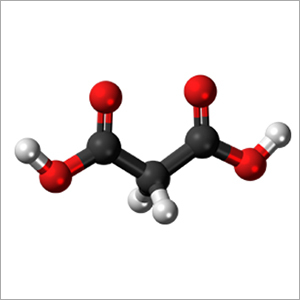
Tell us about your requirement

Price:
Quantity
Select Unit
- 50
- 100
- 200
- 250
- 500
- 1000+
Additional detail
Mobile number
Email

More Products in Speciality Chemical Category
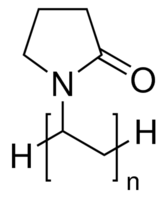
Polyvinylpyrrolidone k-90 (20% Solution)
Price 1 INR / Kilograms
Minimum Order Quantity : 1 Kilograms
Solubility : Completely soluble in water, ethanol, and some organic solvents
Properties : Film forming, adhesive, easily soluble in water, forms clear solutions, hygroscopic
Physical Form : Liquid
Purity : 20% (w/w)
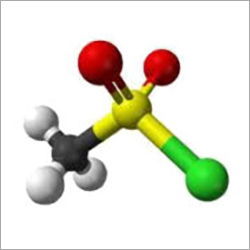
Methane Sulfonyl Chloride
Price 1 INR / Kilograms
Minimum Order Quantity : 1 Kilograms
Solubility : Reacts with water; soluble in organic solvents like chloroform, benzene
Properties : Colorless to pale yellow liquid, highly reactive, lachrymatory compound, moisture sensitive
Physical Form : Liquid
Purity : 99%
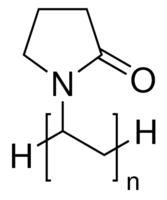
Polyvinylpyrrolidone K-30
Price 1 INR / Kilograms
Minimum Order Quantity : 1 Kilograms
Solubility : Soluble in water and various organic solvents
Properties : Excellent solubility in water and organic solvents, forms clear solutions, film forming, adhesive, hygroscopic.
Physical Form : Other, Powder or Granules
Purity : 99% Min
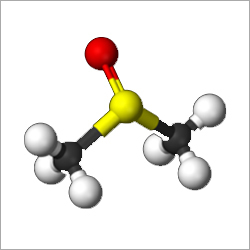
Dimetyl Sulfoxide (DMSO)
Price 1 INR / Kilograms
Minimum Order Quantity : 1 Kilograms
Solubility : Miscible with water, ethanol, acetone, chloroform, benzene, diethyl ether
Properties : Colorless, odorless, high polarity, miscible with most organic solvents and water, high boiling point
Physical Form : Liquid
Purity : 99.9%

SHILPA CHEMSPEC INTERNATIONAL PRIVATE LIMITED
GST : 27AAJCS5687F1ZU
GST : 27AAJCS5687F1ZU
Contact
- 316/317, Parekh Market, 3rd Floor 39, Jss Road, Near Kennedy Bridge, Opera House,Mumbai - 400004, Maharashtra, India
- Phone : 08045479650
- Mr. Divyesh (Director)
- Mobile : 08045479650
- Mr Mehul Sanghvi (Director-Business Development)
- Mobile : 08045479650
-
 Send Inquiry
 Send Inquiry
 Send SMS
 |
SHILPA CHEMSPEC INTERNATIONAL PRIVATE LIMITED
All Rights Reserved.(Terms of Use) Developed and Managed by Infocom Network Private Limited. |
