
x
 Send Inquiry
 Send Inquiry

 Send Inquiry
N-Heptane (99% Min)
Price 1 INR/ Kilograms
MOQ : 1 Kilograms
N-Heptane (99% Min) Specification
- Smell
- Mild gasoline-like odor
- EINECS No
- 205-563-8
- Ingredients
- n-Heptane (C7H16)
- Product Type
- Organic Compound
- Physical Form
- Liquid
- Refractive Rate
- 1.387
- Shelf Life
- 2 years
- Shape
- Liquid (not applicable)
- HS Code
- 29012920
- Density
- 0.684 Gram per cubic centimeter(g/cm3)
- Purity
- 99% Min
- Storage
- Store in a cool, well-ventilated area away from ignition sources
- Molecular Formula
- C7H16
- Solubility
- Insoluble in water, soluble in alcohol and ether
- Structural Formula
- CH3(CH2)5CH3
- Poisonous
- Non-poisonous but harmful if inhaled or swallowed
- Usage
- Industrial, laboratory solvent, HPLC reagent, extraction solvent
- Molecular Weight
- 100.2 g/mol
- Ph Level
- Neutral
- Grade
- Industrial Grade
- Properties
- Volatile, colorless, flammable liquid with a mild gasoline-like odor
- CAS No
- 142-82-5
- Melting Point
- -90.6C
- Appearance
- Clear, colorless liquid
- Application
- Used as a solvent, in laboratories, and in the preparation of laboratory reagents
- Stability
- Stable under recommended storage conditions
- Packing
- Available in 160 kg drum/IBC totes
- Autoignition Temperature
- 204C
- Vapor Pressure
- 40 mmHg @ 20C
- Hazard Statement
- Highly flammable liquid and vapor
- Boiling Point
- 98.4C
- Synonyms
- Heptane, Normal Heptane
- Transport Information
- UN 1206, Hazard Class 3
- Viscosity
- 0.386 mPas at 25C
- Flash Point
- -4C (Closed cup)
N-Heptane (99% Min) Trade Information
- Minimum Order Quantity
- 1 Kilograms
- Supply Ability
- 25 Kilograms Per Week
- Delivery Time
- 3-4 Week
About N-Heptane (99% Min)
N-Heptane (99% Min)
| Test Item | Result | Specification | Test Method |
|---|---|---|---|
| Appearance | Colorless | Colorless | Visual |
| API Gravity60F | 74.1 | 72.7-74.7 | ASTMD 1298 |
| Specific Gravity 60;60F | 0.6884 | 0.686-0.690 | ASTMD 4052 |
| Density 150C kg | 688.2 | ||
| High Purity Heptane Components | 99.34 | Min99.2 | |
| Distillation at 760 mmHg | 98.0 | MIN97.2 | ASTMD1078 |
| Color,Saybolt | -30 | MIX -30 | ASTMD 156 |
| TOTAL SULFUR wtppm | LT0.1 | MAX1 | ASTMD 5453 |
| Copper Corrosion 100 C,2hr | 1-a | MAX1 | ASTMD 130 |
| Nonvolatile Matter mg100mL | 0.3 | MAX1 | ASTMD1353 |
| Aromatics wt ppm | 3 | MAX10 | G.C |
| Water Contents wt ppm | 25 | MAX 100 | ASTMD 6304 |
| Dotor Teat | None Detected | None Detected | ASTMD 4952 |
Applications and Benefits
N-Heptane is trusted across industries for its exceptional purity and versatility. It serves as a solvent in extraction processes, a cleaning and sample preparation agent in laboratories, and is an essential part of laboratory reagents, particularly for High-Performance Liquid Chromatography (HPLC). Its high volatility and non-polar nature make it suitable for applications requiring quick evaporation or non-reactivity with polar compounds.
Safety Precautions and Storage
As a highly flammable liquid and vapor, N-Heptane must be handled with caution. Store it in a cool, well-ventilated space away from ignition sources. Avoid inhaling vapors or ingesting the product. Although non-poisonous under typical use, it can be harmful if mishandled. Compliant packing and transport using UN 1206 specifications ensure safe distribution and storage, maintaining product integrity.
FAQs of N-Heptane (99% Min):
Q: How should N-Heptane be stored to ensure safety and product stability?
A: N-Heptane should be stored in a cool, well-ventilated area, away from open flames, sparks, or sources of ignition. Use only containers designed for flammable liquids, such as the supplied 160 kg drums or IBC totes. Store it tightly sealed to prevent vapor release and avoid contact with incompatible materials to maintain its stability and shelf life.Q: What are the primary industrial and laboratory applications of N-Heptane?
A: N-Heptane is commonly used as a solvent in various extraction processes, as a standard in laboratory reagent preparation, and as a mobile phase in HPLC (High Performance Liquid Chromatography). Its rapid evaporation rate also makes it ideal for cleaning and sample preparation in analytical and manufacturing environments.Q: When should N-Heptane be preferred over other solvents?
A: N-Heptane is preferred in circumstances where non-polar, highly volatile, and low-viscosity solvents are required. Its ideal for applications involving extraction, purification, or analysis where water or polar solvents are unsuitable, especially when quick drying or minimal residue is essential.Q: Where can N-Heptane be supplied and in what packaging options?
A: N-Heptane is available for supply throughout India and can be provided by distributors, importers, manufacturers, and suppliers. It is packaged in 160 kg drums or IBC totes, meeting industrial transport and safety regulations under UN 1206, Hazard Class 3.Q: What is the process for safe handling and usage of N-Heptane in laboratories?
A: Always use N-Heptane in a well-ventilated area, preferably under a fume hood. Wear appropriate personal protective equipment such as gloves and safety goggles. Avoid inhalation of vapors or skin contact, and never use near open flames or hot surfaces due to its low flash point and high flammability.Q: What are the main benefits of using high-purity (99% min) N-Heptane?
A: High-purity N-Heptane ensures consistent results in analytical procedures and industrial processes, reducing the risk of side reactions or contamination. Its reliability in sensitive applications, such as HPLC or precise extraction, guarantees reproducibility and efficiency in both laboratory and industrial settings.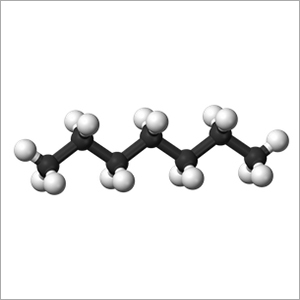
Tell us about your requirement

Price:
Quantity
Select Unit
- 50
- 100
- 200
- 250
- 500
- 1000+
Additional detail
Mobile number
Email

More Products in Speciality Chemical Category
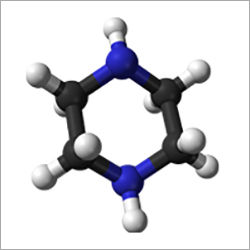
Piperazine Anhydrous
Price 1 INR / Kilograms
Minimum Order Quantity : 1 Kilograms
Storage : Other, Store in a tightly closed container, in a cool, dry, ventilated area
Purity : >99%
Density : 1.13 Gram per cubic centimeter(g/cm3)
Structural Formula : HN(CH2CH2)2NH
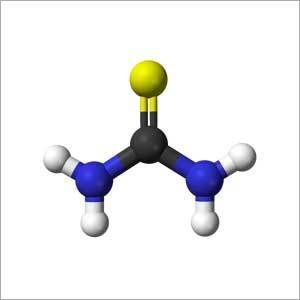
Thiourea
Price 1 INR / Kilograms
Minimum Order Quantity : 1 Kilograms
Storage : Other, Store in cool, dry place, tightly sealed
Purity : 99% Min.
Density : 1.41 Gram per cubic centimeter(g/cm3)
Structural Formula : NH2CSNH2

Non Ionic Surfactants
Price 1 INR / Kilograms
Minimum Order Quantity : 1 Kilograms
Storage : Other, Store in tightly closed containers, in a cool and dry place, away from direct sunlight
Purity : 99%
Density : 1.05 Gram per cubic centimeter(g/cm3)
Structural Formula : R(OCH2CH2)nOH
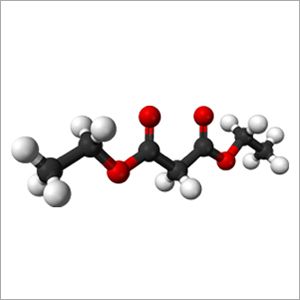
Diethyl Malonate (DEM)
Price 1 INR / Kilograms
Minimum Order Quantity : 1 Kilograms
Storage : Other, Keep in tightly closed containers, store in cool, dry, wellventilated area away from incompatible materials
Purity : 99%
Density : 1.041 Gram per cubic centimeter(g/cm3)
Structural Formula : CH2(COOC2H5)2

SHILPA CHEMSPEC INTERNATIONAL PRIVATE LIMITED
GST : 27AAJCS5687F1ZU
GST : 27AAJCS5687F1ZU
Contact
- 316/317, Parekh Market, 3rd Floor 39, Jss Road, Near Kennedy Bridge, Opera House,Mumbai - 400004, Maharashtra, India
- Phone : 08045479650
- Mr. Divyesh (Director)
- Mobile : 08045479650
- Mr Mehul Sanghvi (Director-Business Development)
- Mobile : 08045479650
-
 Send Inquiry
 Send Inquiry
 Send SMS
 |
SHILPA CHEMSPEC INTERNATIONAL PRIVATE LIMITED
All Rights Reserved.(Terms of Use) Developed and Managed by Infocom Network Private Limited. |
