
x
 Send Inquiry
 Send Inquiry

 Send Inquiry
Cyclohexylamine
Price 1 INR/ Kilograms
MOQ : 1 Kilograms
Cyclohexylamine Specification
- Shelf Life
- 24 months in original container
- Shape
- Liquid
- Smell
- Fishy, ammoniacal
- Application
- Used in synthesis of rubber chemicals, corrosion inhibitors, pharmaceuticals, emulsifiers
- Density
- 0.87 Gram per cubic centimeter(g/cm3)
- Usage
- Manufacturing of cyclamate sweeteners, pesticides, antioxidants, dyes
- Appearance
- Clear, colorless
- Grade
- Industrial / Technical / Laboratory
- HS Code
- 29213090
- CAS No
- 108-91-8
- Melting Point
- -17C
- Ingredients
- Cyclohexylamine
- Purity
- 99% min
- Poisonous
- Yes (toxic in high concentrations)
- Physical Form
- Liquid
- Taste
- Characteristic, bitter
- Molecular Formula
- C6H13N
- Molecular Weight
- 99.17 g/mol
- EINECS No
- 203-629-0
- Ph Level
- 12.4 (1% aqueous solution)
- Storage
- Store in a cool, dry, well-ventilated area away from incompatible substances
- Structural Formula
- C6H11NH2
- Properties
- Colorless, hygroscopic, strongly basic, miscible with water
- Refractive Rate
- 1.458 (20C)
- Solubility
- Miscible with water, alcohol, chloroform, ether
- Product Type
- Amine
- Vapor Pressure
- 5 hPa (at 20C)
- Shelf Conditions
- Keep tightly closed and protected from moisture
- Packing Group
- II
- Production Method
- Produced by hydrogenation of aniline or cyclohexanone oxime
- Boiling Point
- 134C
- Flash Point
- 32C
- Water Reactivity
- Non-reactive with water
- Transport Information
- Proper shipping name: Cyclohexylamine
- Auto Ignition Temperature
- 300C
- Compatibility
- Incompatible with acids, oxidizers, alkyl halides
- Viscosity
- 2.4 mPas (at 20C)
- Hazard Class
- 8 (Corrosive)
- UN Number
- 2357
Cyclohexylamine Trade Information
- Minimum Order Quantity
- 1 Kilograms
- Supply Ability
- 25 Kilograms Per Week
- Delivery Time
- 3-4 Week
About Cyclohexylamine
Cyclohexylamine
| Cyclohexylamine G.C Karl Fischer | Lot No. :14170731 |
|---|---|
| Description | Clear, Colorless liquid. Chracteristic amine edor |
| Assay | 99.98% |
| Water(K.F method) | 0.09% |
| Aniline(G.C) | <0.01% |
| Benzene(G.C) | <0.01% |
| Dicyelohexylamine | <0.01% |
| Heavy end | <0.01% |
| Cyclohexanol | <0.01 |
| Color(APHA) | 5APHA |
Key Properties and Safety Information
Cyclohexylamine is a hygroscopic organic liquid with a strongly basic nature (pH 12.4 at 1% solution). It is corrosive, toxic at high concentrations, and incompatible with acids, oxidizers, and alkyl halides. While it is non-reactive with water, strict safety measures are required during storage and transport because of its low flash point and corrosiveness. Always store in tightly closed containers, away from moisture and incompatible materials in a cool, well-ventilated place.
Production and Applications
Cyclohexylamine is produced mainly by the hydrogenation of aniline or cyclohexanone oxime. Its versatility makes it valuable in diverse industriesmost notably in the synthesis of rubber chemicals, as a corrosion inhibitor, and in manufacturing pharmaceuticals, dyes, and pesticides. Its basic properties also make it an effective ingredient in cyclamate sweeteners and certain emulsifiers. The compounds water-miscibility enhances its utility across multiple chemical processes.
FAQs of Cyclohexylamine:
Q: How is cyclohexylamine typically produced?
A: Cyclohexylamine is commonly produced by the catalytic hydrogenation of aniline or by the hydrogenation of cyclohexanone oxime. These processes yield high-purity cyclohexylamine suitable for various industrial uses.Q: What are the main industrial applications of cyclohexylamine?
A: Cyclohexylamine is used in synthesizing rubber chemicals, corrosion inhibitors, pharmaceuticals, cyclamate sweeteners, pesticides, antioxidants, dyes, and emulsifiers. Its strong basic nature and miscibility with water make it a versatile industrial chemical.Q: When should cyclohexylamine be stored or handled with extra caution?
A: Due to its corrosive classification (Hazard Class 8) and toxicity at high concentrations, cyclohexylamine must be stored tightly closed in cool, dry, and well-ventilated areasaway from acids, oxidizers, and alkyl halides. During handling, follow appropriate safety protocols, including protective equipment.Q: Where can cyclohexylamine be sourced in India?
A: Cyclohexylamine is available through authorized distributors, importers, manufacturers, suppliers, and traders throughout India, catering to industrial, technical, and laboratory requirements.Q: What is the process for safe transport of cyclohexylamine?
A: Cyclohexylamine should be transported under its proper shipping name, observing UN Number 2357, Hazard Class 8, and Packing Group II regulations. Ensure containers are tightly sealed, secured, and kept away from incompatible substances during transit.Q: How is cyclohexylamine typically used in the synthesis of rubber chemicals and other products?
A: Due to its basic properties and miscibility with solvents, cyclohexylamine serves as an effective intermediate in producing rubber chemicals and as a catalyst or additive in the manufacture of pharmaceuticals, pesticides, and dyes.Q: What are the benefits of using cyclohexylamine in industrial processes?
A: Cyclohexylamine offers high solubility, strong basicity, and reactivity, making it valuable for efficient chemical synthesis and process optimization in multiple industries, from rubber and sweeteners to pharmaceuticals and corrosion inhibition.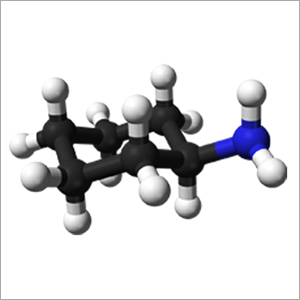
Tell us about your requirement

Price:
Quantity
Select Unit
- 50
- 100
- 200
- 250
- 500
- 1000+
Additional detail
Mobile number
Email

More Products in Speciality Chemical Category
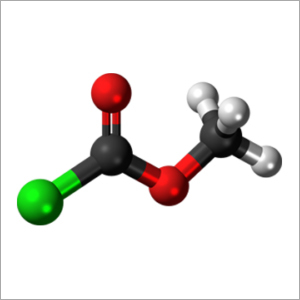
Methyl Chloroformate (MCF)
Price 1 INR / Kilograms
Minimum Order Quantity : 1 Kilograms
Solubility : Decomposes in water, soluble in chloroform, ether, benzene
Product Type : Industrial Chemical
Refractive Rate : 1.4061.408
Structural Formula : ClCOOCH3
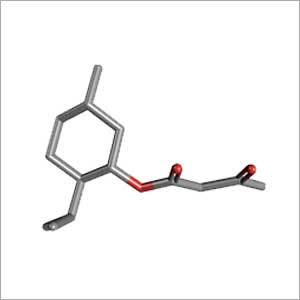
Methyl Aceto Acetate
Price 1 INR / Kilograms
Minimum Order Quantity : 1 Kilograms
Solubility : Soluble in ethanol, ether; slightly soluble in water
Product Type : Organic Compound
Refractive Rate : n20/D 1.412
Structural Formula : CH3COCH2COOCH3

SHILPA CHEMSPEC INTERNATIONAL PRIVATE LIMITED
GST : 27AAJCS5687F1ZU
GST : 27AAJCS5687F1ZU
Contact
- 316/317, Parekh Market, 3rd Floor 39, Jss Road, Near Kennedy Bridge, Opera House,Mumbai - 400004, Maharashtra, India
- Phone : 08045479650
- Mr. Divyesh (Director)
- Mobile : 08045479650
- Mr Mehul Sanghvi (Director-Business Development)
- Mobile : 08045479650
-
 Send Inquiry
 Send Inquiry
 Send SMS
 |
SHILPA CHEMSPEC INTERNATIONAL PRIVATE LIMITED
All Rights Reserved.(Terms of Use) Developed and Managed by Infocom Network Private Limited. |
