
x
 Send Inquiry
 Send Inquiry

 Send Inquiry
Propargyl Alcohol
Price 1 INR/ Kilograms
MOQ : 1 Kilograms
Propargyl Alcohol Specification
- Poisonous
- YES
- Ingredients
- Propargyl Alcohol
- Purity
- 99%
- Grade
- Industrial Grade
- Structural Formula
- HCCCH2OH
- Taste
- Acrid
- Product Type
- Organic Chemical
- Shape
- Liquid
- Application
- Used in synthesis of pharmaceuticals and agrochemicals, corrosion inhibitors, chemical intermediates, and plating industry
- Storage
- Store in cool, dry, well-ventilated area away from sources of ignition
- Smell
- Pungent, sweetish
- Physical Form
- Liquid
- Appearance
- Colorless liquid
- EINECS No
- 203-471-2
- Shelf Life
- 2 years under recommended storage
- Refractive Rate
- n20/D 1.424
- Molecular Weight
- 56.07 g/mol
- Usage
- As chemical intermediate, reactant in organic synthesis, corrosion inhibition
- CAS No
- 107-19-7
- Density
- 0.944 Gram per cubic centimeter(g/cm3)
- Solubility
- Fully miscible in water
- Molecular Formula
- C3H4O
- HS Code
- 29053990
- Melting Point
- -65C
- Properties
- Highly flammable, miscible with water, alcohols, and ethers; reacts with strong oxidizers; emits acrid smoke and irritating fumes when heated
- Vapor Pressure
- 20 mm Hg at 25C
- Packaging
- Available in HDPE drums or glass bottles
- Transport Information
- UN Number: 2924; Packing group II; ADR/RID Class: 3
- UN Number
- UN 2924
- Synonyms
- 2-Propyn-1-ol, 2-Propynol, PA
- Hazard Class
- 3 (Flammable liquids)
- Boiling Point
- 97C
- Flash Point
- 31C
- IUPAC Name
- Prop-2-yn-1-ol
- Stability
- Stable under recommended handling and storage conditions
- Viscosity
- 2.12 mPas at 20C
- Auto Ignition Temperature
- 325C
Propargyl Alcohol Trade Information
- Minimum Order Quantity
- 1 Kilograms
- Supply Ability
- 25 Kilograms Per Week
- Delivery Time
- 3-4 Week
- Main Domestic Market
- All India
About Propargyl Alcohol
Propargyl Alcohol
| Inspection characterstics | Test Result | Specification | Test method |
|---|---|---|---|
| Assy | 99.87% | >=99.30 | GC |
| Analysis Item | Specification |
|---|---|
| Purity | 99% min (GC) |
| Appearance | Clear Colorless or Yellowish Liquid |
| Density | 0.938 0.958g/cm3 |
Applications of Propargyl Alcohol
Propargyl Alcohol finds applications in Pharmaceuticals, Agro-Chemicals, Electroplating and Corrossion inhibitors.
Applications of Propargyl Alcohol
Propargyl Alcohol is utilized across pharmaceuticals, agrochemicals, and the plating industry. Its unique chemical properties allow it to act as a versatile intermediate, facilitating organic synthesis and corrosion inhibition. It is valued for its reactivity with various compounds, making it indispensable in advanced chemical manufacturing.
Safe Handling and Storage Guidelines
Being a highly flammable liquid classified under Hazard Class 3 and UN Number 2924, Propargyl Alcohol requires strict safety measures. Store in cool, dry, well-ventilated areas away from ignition sources. Containers should be tightly sealed, and only HDPE drums or glass bottles are recommended. Following these guidelines ensures product integrity and user safety.
Physical and Chemical Features
Propargyl Alcohol is a liquid with a pungent, sweetish smell and an acrid taste. It exhibits a density of 0.944 g/cm, a refractive index of n20/D 1.424, and is fully water-miscible. Upon heating, it emits irritating fumes and acrid smoke, reacting vigorously with strong oxidizers. Its stability is retained under proper storage conditions.
FAQs of Propargyl Alcohol:
Q: How should Propargyl Alcohol be stored to maintain its stability and shelf life?
A: Propargyl Alcohol should be kept in a cool, dry, and well-ventilated area, away from sources of ignition. Tightly sealed HDPE drums or glass bottles ensure it stays stable, with a shelf life of up to two years under recommended conditions.Q: What are the main industrial uses of Propargyl Alcohol?
A: This alcohol is primarily used as a chemical intermediate in the synthesis of pharmaceuticals, agrochemicals, corrosion inhibitors, and within the plating industry due to its reactivity and miscibility properties.Q: When is Propargyl Alcohol considered hazardous during transportation?
A: Propargyl Alcohol is classified as a flammable liquid (Hazard Class 3) for transport, with specific regulations under UN Number 2924, Packing Group II, and ADR/RID Class 3 to ensure safe movement and handling.Q: Where can Propargyl Alcohol be packaged and distributed from?
A: In India, Propargyl Alcohol is distributed and supplied by various manufacturers, importers, and traders. It is available in HDPE drums or glass bottles to meet industrial requirements and ensure packaging safety.Q: What is the process for using Propargyl Alcohol as a corrosion inhibitor?
A: Propargyl Alcohol is added to corrosion inhibition systems where it interacts with metal surfaces and inhibits oxidation, thereby extending the lifespan of equipment exposed to moist or corrosive environments.Q: What benefits does Propargyl Alcohol offer in organic synthesis?
A: Propargyl Alcohols high reactivity and water miscibility make it an ideal choice for producing chemical intermediates and other compounds, improving reaction efficiency and broadening the scope of synthesis pathways.Q: How is Propargyl Alcohol safely handled due to its flammability and toxicity?
A: Handle this substance using appropriate personal protective equipment, avoid inhalation of vapors or fumes, and prevent exposure to open flames or strong oxidizers. Adequate ventilation and strict working protocols are essential for user safety.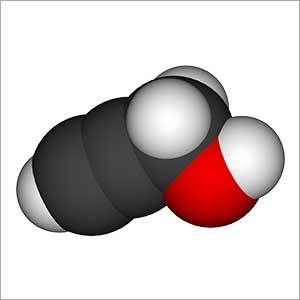
Tell us about your requirement

Price:
Quantity
Select Unit
- 50
- 100
- 200
- 250
- 500
- 1000+
Additional detail
Mobile number
Email

More Products in Speciality Chemical Category
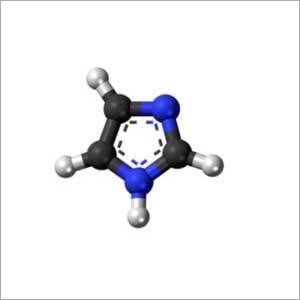
Imidazole
Price 1 INR / Kilograms
Minimum Order Quantity : 1 Kilograms
Shape : other, Powder/Crystalline
Application : Other , Pharmaceuticals, chemical synthesis, corrosion inhibitors, ionic liquids, solvents
Storage : Other, Store in a cool, dry place in tightly closed containers, away from oxidizing agents.
Purity : >=99%
Non Ionic Surfactants
Price 1 INR / Kilograms
Minimum Order Quantity : 1 Kilograms
Shape : other, Liquid form
Application : Other , Used in detergents, cleaning agents, textile, agriculture, pharmaceuticals
Storage : Other, Store in tightly closed containers, in a cool and dry place, away from direct sunlight
Purity : 99%
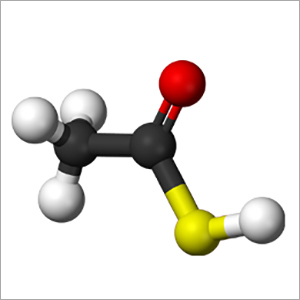
Thioacetic Acid (TAA)
Price 1 INR / Kilograms
Minimum Order Quantity : 1 Kilograms
Shape : other, Liquid form
Application : Other , Intermediate in organic synthesis; used in pharmaceuticals, agrochemicals, and as a reagent in chemical research
Storage : Other, Store in tightly closed containers, in a cool, dry, and wellventilated place, away from light and moisture
Purity : 97%
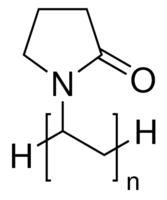
Polyvinylpyrrolidone K-30
Price 1 INR / Kilograms
Minimum Order Quantity : 1 Kilograms
Shape : other, Crystalline Powder
Application : Other , Pharmaceutical, Cosmetic, Food, Adhesive, Textile, Detergent
Storage : Other, Keep container tightly closed in a dry and wellventilated place
Purity : 99% Min

SHILPA CHEMSPEC INTERNATIONAL PRIVATE LIMITED
GST : 27AAJCS5687F1ZU
GST : 27AAJCS5687F1ZU
Contact
- 316/317, Parekh Market, 3rd Floor 39, Jss Road, Near Kennedy Bridge, Opera House,Mumbai - 400004, Maharashtra, India
- Phone : 08045479650
- Mr. Divyesh (Director)
- Mobile : 08045479650
- Mr Mehul Sanghvi (Director-Business Development)
- Mobile : 08045479650
-
 Send Inquiry
 Send Inquiry
 Send SMS
 |
SHILPA CHEMSPEC INTERNATIONAL PRIVATE LIMITED
All Rights Reserved.(Terms of Use) Developed and Managed by Infocom Network Private Limited. |
